Storm Season Checklist: Tracking Fast-Changing Weather Bulletins Safely
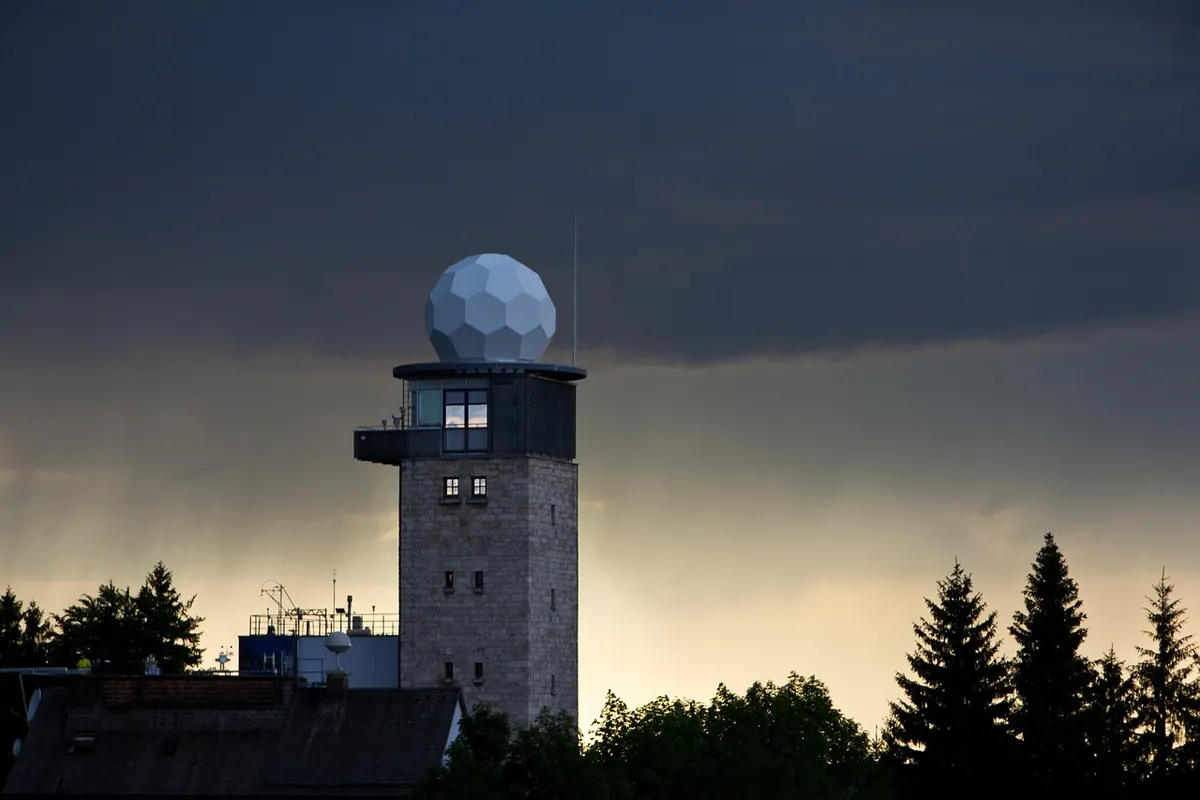
The first sign of trouble is rarely the wind. It is usually a phone buzzing at an unreasonable hour, a neighbour knocking, or a forwarded message that turns out to be about a storm two regions away. Storm season rewards the people who did their preparing in the quiet weeks beforehand, and it is unforgiving to anyone who spends the first hour of a warning hunting for a working radio and trying to remember which app carries the official feed.
What follows is a working checklist — the kind you can print, tape inside a cupboard door, and update once a year. It is about bulletins: how to get them, how to read them quickly, and how to keep your head when they start arriving every twenty minutes.
Map your sources before you need them
Most confusion during severe weather comes from not knowing who is responsible for what. In broad terms, three different bodies speak with three different voices, and mixing them up wastes the minutes that matter.
A national meteorological service issues the forecasts and the weather warnings — the wind, the rain, the surge, the timing. A civil protection or emergency management agency coordinates the response and publishes situation updates. Your municipality, local police or regional authority is normally the only body that can order an evacuation, close a road or open a shelter. When a social media post claims a town is being evacuated, the question to ask is simple: did the town itself say so?
The three-source rule
Keep one national source, one local source and one that works without electricity. Save the national weather page and your municipal alert channel as bookmarks and, ideally, as home-screen shortcuts. Add a battery radio with spare cells, and write the local emergency radio frequency on a piece of paper. Paper sounds quaint until the network drops.
Treat aggregators with care
Weather apps, news alerts and community groups are useful for speed, but they are middlemen. A good aggregator names the issuing agency and the time of the original bulletin. A bad one posts a dramatic graphic with no date and no source, and it will still be circulating three days after the event it describes.
Set up alerts so they arrive without you looking
There is no point in monitoring bulletins if the bulletin cannot reach you at 3 a.m. Spend fifteen minutes on this before the season starts.
- Check emergency alerts are switched on. Most phones have a system for official public warnings, and it is easy to disable by accident. Find the setting, confirm it is enabled, and make sure it is not muted by a sleep or focus mode.
- Fix your locations. Many alerting services use your registered address rather than your current position, which matters if you are travelling or staying with family. Review both.
- Allow notifications for the two or three apps that actually matter — and switch off the rest. A screen full of badges trains you to ignore all of them.
- Build in redundancy. One phone, one radio, one person. Agree with a neighbour or relative that whoever hears first will call the other.
- Charge in a routine. Power banks charged on the first of the month, phones topped up before bed when a warning is active.
Read the warning, not just the headline
Warning language is compressed on purpose, and it repays a slow read. Four questions get you most of the way: what is expected, where exactly, when does it start and end, and how severe is it compared with the levels used in your country?
Severity scales and colour codes differ from place to place, and the words do too. As a general guide, a watch or advisory means conditions are favourable and you should prepare; a warning means the hazard is happening or imminent and you should act. Learn your own system once, properly, rather than guessing at it during a downpour.
Then check the timestamps. A bulletin has an issue time, an update time and a period of validity, and those are not the same thing. Screenshots of old warnings recirculate constantly. If a post has no visible time, assume it is out of date until proven otherwise.
The seasonal checklist
Run through this once in the spring, and again at the first mention of a storm in the forecast.
- Sources saved. National weather service, civil protection agency, municipal alert channel — all bookmarked and named clearly.
- Alerts tested. Public warning enabled, notification permissions granted, sleep mode checked.
- Radio working. Batteries in, frequency written down, spare cells in the drawer.
- Documents together. ID, insurance, prescriptions and contact numbers in one waterproof folder, plus a photo of each on your phone.
- Household plan agreed. Where you would meet, who collects whom, who has the car, which neighbour has a key.
- Evacuation route known. Two ways out of your area, in your head, not just in the app.
- Supplies checked. Water, medication, torches, a first-aid kit, cash for when card machines are down.
- Vulnerable neighbours noted. One name and one number you would call if their lights went out.
If anyone in your household has medical needs, mobility limits or a dependence on powered equipment, plan that part early and in writing, and speak to your doctor and local services about what an evacuation would require. General checklists are a starting point, not a substitute for individual advice.
When the bulletins start coming fast
This is where most people lose the thread — not through panic, but through endless refreshing. Decide a rhythm and stick to it. During an active warning, checking official updates every thirty to sixty minutes is plenty for most households; between checks, do the practical thing in front of you.
Keep a paper log. Time, source, what changed, what you decided. It sounds like overkill until you are trying to remember whether the road closure was lifted before or after you last spoke to your sister.
Before forwarding anything, run three tests: does it name the issuing authority, does it carry a date, and does it name a place you can find on a map? If any answer is no, don't pass it on. Rumour travels faster than wind and does more damage to trust.
Evacuation updates: what to look for
Evacuation messaging has its own vocabulary, and small words carry weight. Watch for the zone or street names, the difference between a voluntary departure and a mandatory order in your jurisdiction, the recommended route, and the location of reception centres. Follow the route you are given rather than the one that looks quicker on a map; officials usually know which bridges are still open.
Leave when the order comes, not when the water reaches the garden gate. Take the documents folder, medication, chargers and a coat. Tell someone where you are going. And if you are outside the evacuation area, stay off the roads — the most useful thing you can do for emergency services is not be in their way.
A calm routine beats constant refreshing
Storm season is a test of habits rather than nerve. Save the sources now, fix the alerts now, print the checklist now, while the sky is boring. When the bulletins start arriving in a rush, you will not need to think about where to look or who to believe. You will just follow the routine you already built, one hour at a time, until the last update says the worst has passed.
Keep the checklist somewhere visible, review it once a season, and correct it the first time something goes wrong. A list that gets used and updated is worth more than a better one that stays in a drawer.
Photo: DerTobiSturmjagd / Pixabay